What Betaflight 2026.6 Signals for FPV Flight Stack Hardware

FPV drones used to be judged mainly by motor power, propeller choice, pilot skill and flight-controller tuning. These still matter, but the FPV ecosystem is clearly moving in a more connected direction.
Betaflight 2026.6 is a useful signal of this shift. The release highlights telemetry, MAVLink-related workflows, wireless connection tools, mobile configuration, new hardware support and early simulation-only flight-planning features. It does not mean every FPV build needs every new function immediately, but it does show where the flight stack is heading.
For FPV builders, UAV developers and OEM partners, the message is practical: choosing FPV drone components is no longer only about one powerful board. The flight controller, receiver, data link, ESC, PDB and wiring layout need to work together as one stack.
The Flight Controller Is Becoming the Stack Centre
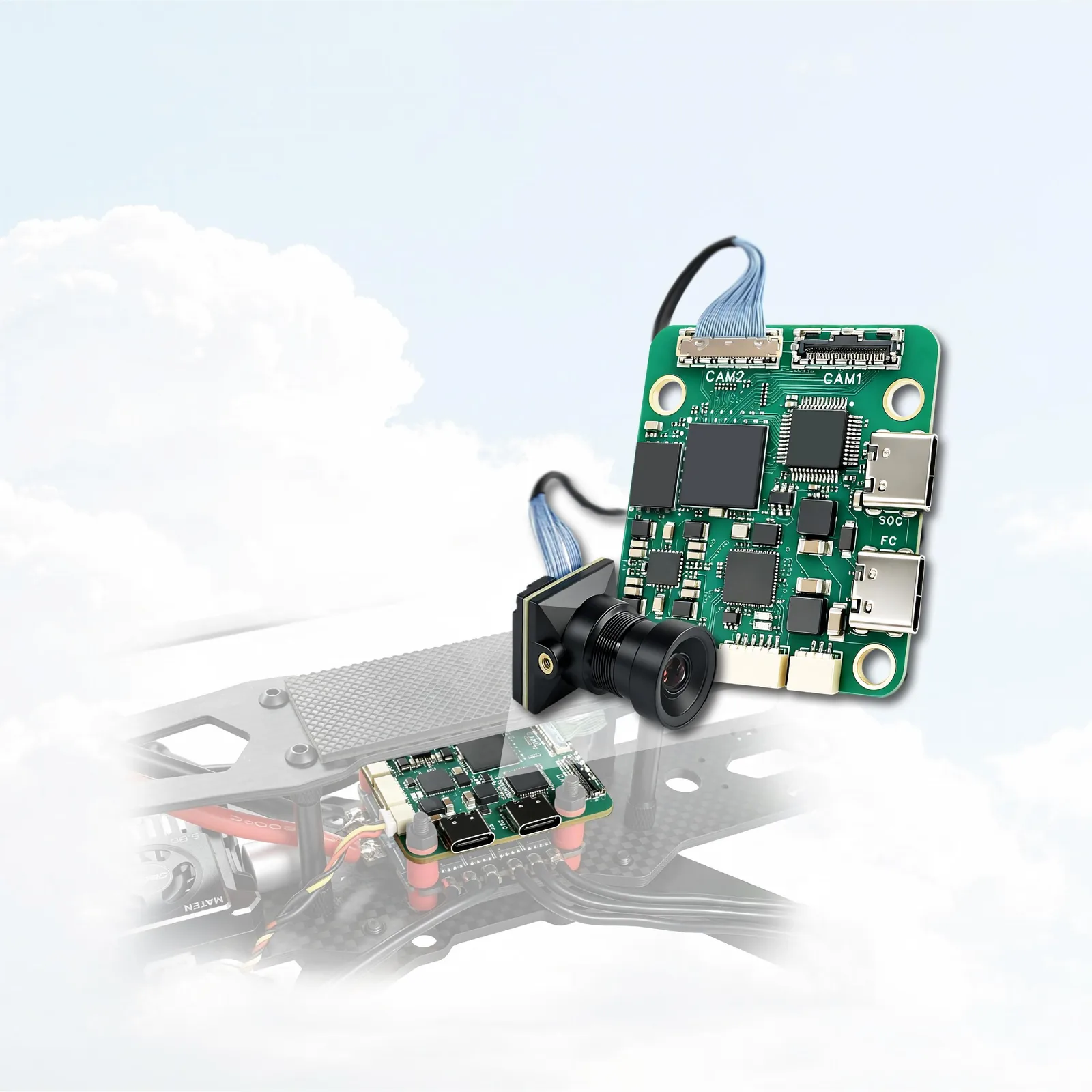
In a traditional FPV build, the flight controller was mainly seen as the stabilisation and tuning board. Today, it is becoming the centre of the whole FPV flight stack.
Modern FPV builds may involve receiver input, ESC telemetry, OSD, camera support, GPS, blackbox logging, wireless configuration and communication with external devices. This means interface layout, firmware support and clean wiring are becoming just as important as processor choice.
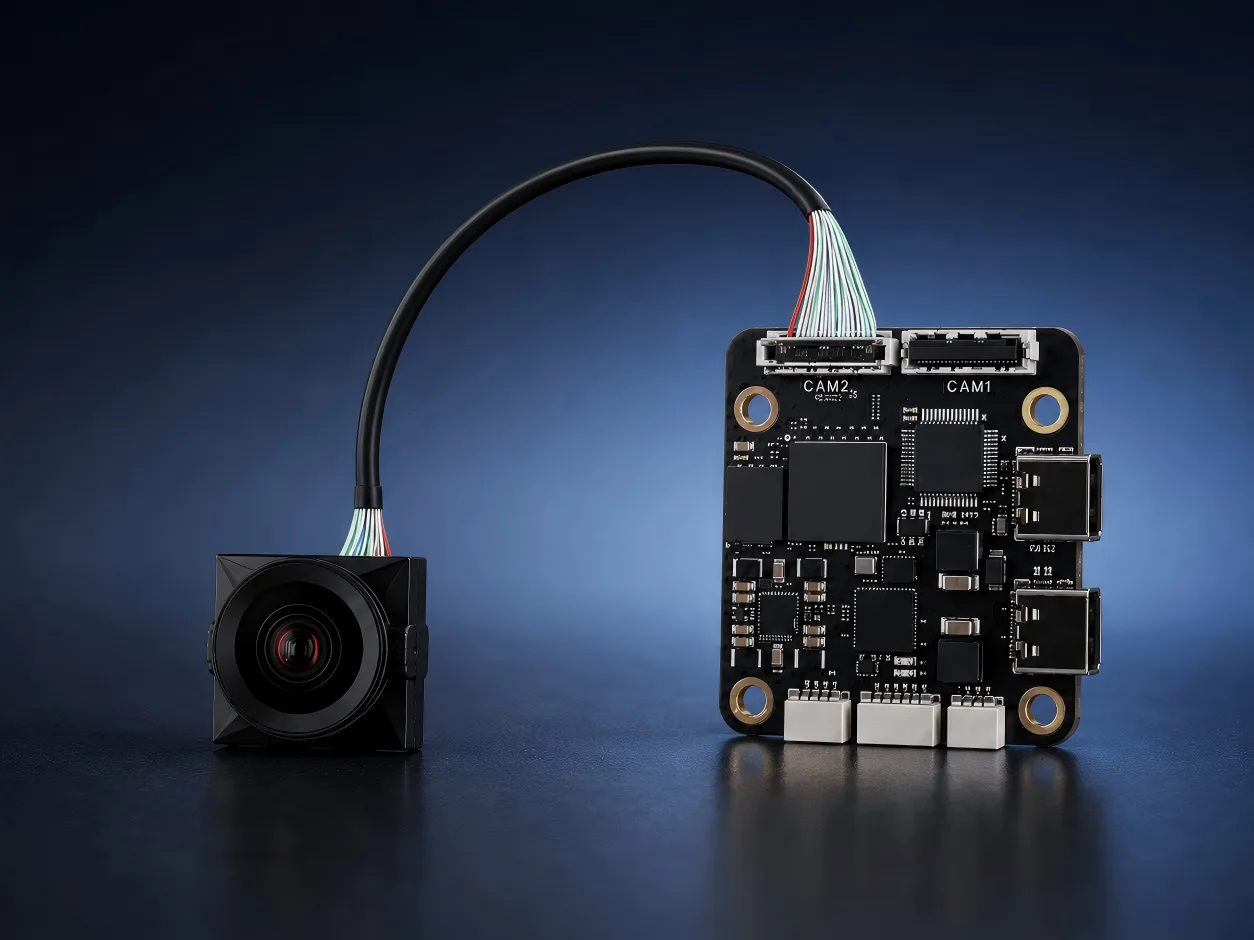
JetLancer AI provides AI FC and standard flight controller options for FPV builders, UAV developers and OEM integration projects. JetLancer flight controllers are designed around practical stack requirements such as ESC protocol support, receiver protocol support, telemetry, compact mounting and clean hardware integration.
Telemetry Is No Longer Just an Extra
One of the clearest signals from recent FPV software development is the growing importance of telemetry. CRSF telemetry, MAVLink-related workflows and ground-control compatibility are becoming more visible in FPV discussions.
For everyday FPV pilots, telemetry can help with battery status, signal information, GPS data, flight logs and system feedback. For developers and OEM customers, telemetry also affects testing, debugging and integration planning.
This is where hardware selection matters. A flight controller needs enough usable interfaces. The receiver and data-link device need to be chosen carefully. The wiring layout must leave space for service, testing and future upgrades.
DL M2 Adds a Dedicated Data-Link Option
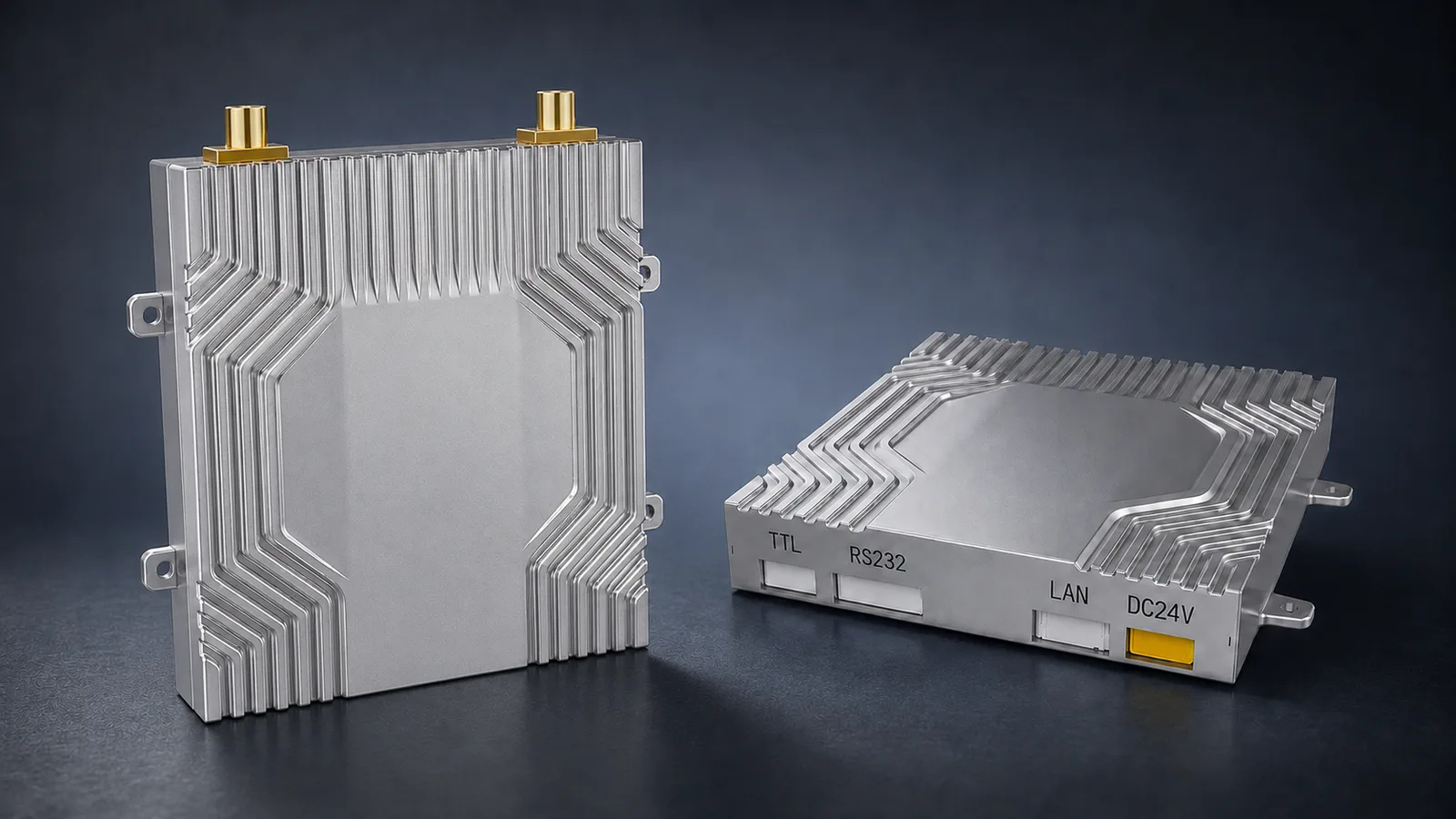
JetLancer AI has officially launched the DL M2 (010) data-link product, adding a dedicated communication option to the company’s FPV component line.
This is an important step because FPV platforms are no longer only about control input and video output. More builders are paying attention to data transmission, telemetry feedback and communication planning during the early build stage.
DL M2 should be understood as part of JetLancer AI’s wider FPV hardware direction: AI FC, standard flight controllers, ESCs, PDBs and data-link hardware working together to support cleaner flight-stack integration.
Wireless and Mobile Workflows Are Changing Expectations
Betaflight 2026.6 also reflects a broader change in user expectations. FPV pilots increasingly want easier connection, configuration and field setup. Wireless bridge tools, mobile workflows and more visual configuration interfaces are becoming more relevant.
This does not mean that every aircraft needs to use every new feature. It means that hardware suppliers need to think about how users actually build, configure, test and maintain their aircraft.
For JetLancer AI, this reinforces the importance of practical hardware design: clear interfaces, compact mounting, stable power, receiver compatibility and integration support for OEM customers.
ESC and PDB Still Decide System Reliability
Even as software, telemetry and data-link planning become more advanced, the aircraft still depends on stable electrical hardware.
ESC selection affects motor response, current handling and heat performance. PDB selection affects voltage distribution, regulated outputs and wiring cleanliness. A capable flight controller or data-link module cannot perform reliably if the surrounding power system is unstable.
JetLancer AI provides ESCs and PDBs for different FPV and UAV build requirements, including higher-power options for larger platforms. These products support the same practical goal: making the FPV flight stack cleaner, more stable and easier to integrate.
[Image 4: JetLancer PDB or ESC product image] Stable ESC and PDB matching helps support reliable FPV stack performance.
A Practical Direction for FPV Builders
The FPV ecosystem is moving towards smarter, more connected and more configurable flight stacks. Betaflight 2026.6 shows where the software side is heading. For hardware builders, the next step is choosing components that can support this direction without making the build messy or unreliable.
JetLancer AI focuses on FPV drone components, including AI FC, standard flight controllers, ESCs, PDBs and the newly launched DL M2 data link.
For FPV builders, UAV developers and OEM partners, the goal is not to chase every new feature at once. The goal is to build a flight stack with enough control, power, telemetry and communication capability for real use.
Contact JetLancer AI to discuss AI FC selection, DL M2 data-link integration, standard flight controllers, ESC and PDB matching, and OEM FPV hardware requirements.
Interested in AI FC Integration?
Contact us for OEM pricing and technical documentation.
Get in Touch